Tmail.pk vs Temp-Mail.org: Feature-by-Feature Comparison
Two well-known disposable email services on the public web go head to head. We compare interface design, domain rotation, mobile experience, developer workflows, and the quiet little things that separate a usable temp service from a frustrating one.
Independently reviewed against our editorial standards.

Temp-Mail.org is one of the best-known disposable email services, and Tmail.pk is a newer, privacy-focused alternative. They are not the same product, and the differences matter — particularly if you use disposable email more than once a week. We have used both across desktop and mobile, with everyday signups and heavier developer-style usage, and the picture is more nuanced than the marketing pages suggest.
Interface and first impressions
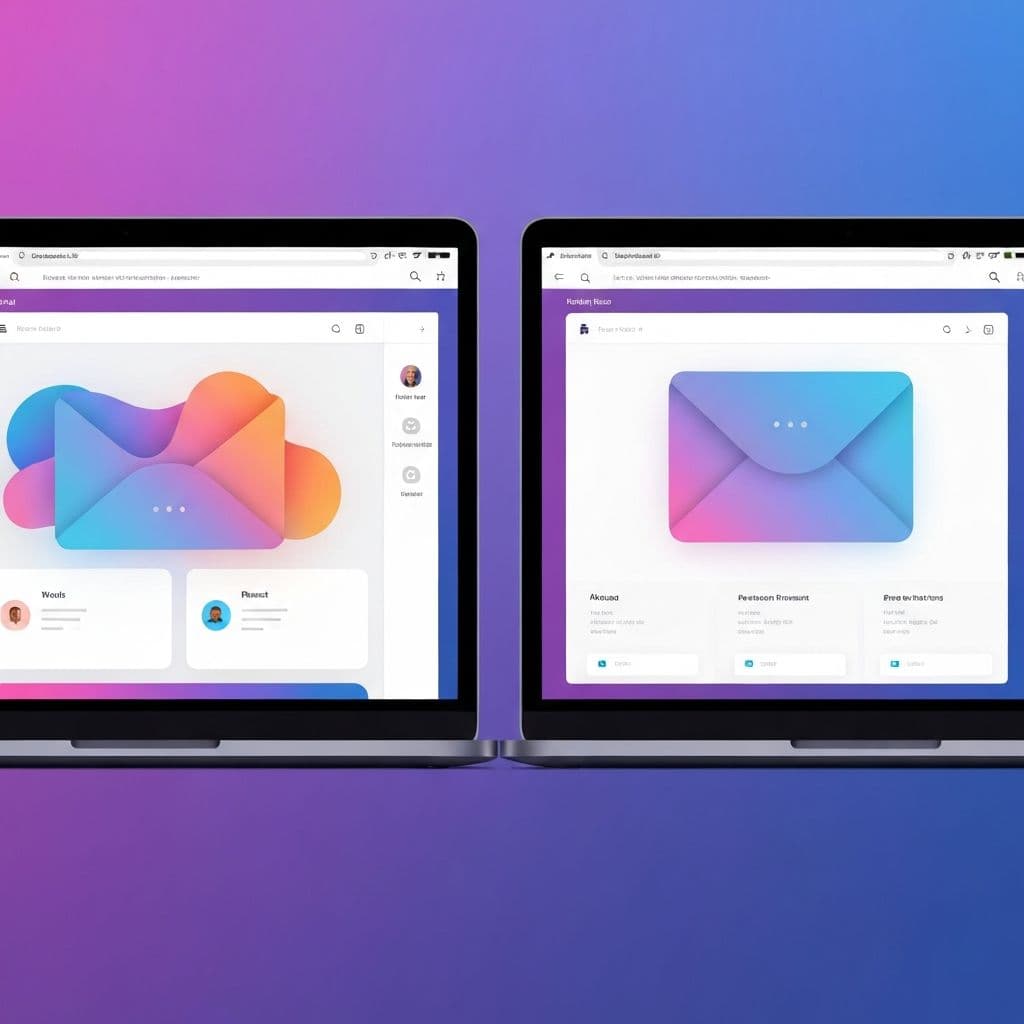
Temp-Mail.org's interface is functional and dense. The address is generated, the inbox is below it, and a sidebar of ads supports the free service. Tmail.pk takes a quieter design direction — single column, strong typography, brand gradient, no ads on the main surface. Both are perfectly usable, but the first impression difference is real. Tmail.pk feels like a product. Temp-Mail.org feels like a utility.
Domain rotation
Both services rotate across multiple receiving domains, which is essential — single-domain services are too easy for sign-up forms to block. Temp-Mail.org rotates across a larger pool but the rotation is mostly random. Tmail.pk lets you choose your domain at generation time, which is a small thing that becomes useful when a particular service has blocked one of the domains and you want to retry without regenerating five times.
Mobile experience
This is where the gap is biggest. Temp-Mail.org's mobile experience is a shrunk-down version of the desktop site. It works, but it does not feel native. Tmail.pk is mobile-first by design — the layout, the type sizes, and the touch targets all assume a phone-first audience. If you primarily use disposable email from a phone, this difference will compound across every signup.

Inbox retention and persistence
Temp-Mail.org's default inbox is short-lived (the address itself can be retained across visits via cookie, but the messages decay quickly). Tmail.pk keeps your mailbox and every message for as long as the mailbox stays active — save your email and password to log back in anytime — and offers an optional account upgrade for permanently persistent inboxes. If your use case is a quick one-off, the difference does not matter. If you ever come back to a temp address even hours or days later, Tmail.pk's retention model is meaningful.
Developer and automation use
Tmail.pk does not currently offer a public API — it is a browser-based, receive-only service, so automated tests interact with it the way a person would: generate an address, trigger the flow, and read the message that arrives. Temp-Mail.org exposes a programmatic surface, though historically it has been gated behind a third-party marketplace. If a documented API is a hard requirement for your pipeline, neither browser-first workflow is a perfect fit; if you mainly need disposable inboxes for manual and end-to-end signup testing, Tmail.pk is a clean, ad-light option.
Privacy and ads
Temp-Mail.org runs the typical free-utility advertising model — the main surface includes ad slots and has historically loaded third-party tracking. Tmail.pk does not run third-party ads on the public site and aims for a smaller external-load footprint. For a tool whose entire premise is privacy, this is not a small distinction.
- Pick Tmail.pk for a modern, ad-light interface and a mobile-first experience.
- Pick Tmail.pk if you want longer-lived inboxes or the option to upgrade to a persistent account.
- Pick Temp-Mail.org if you specifically value its very large user base and brand recognition for deliverability.
- Either works for one-off, low-stakes throwaway use.
Bottom line
Temp-Mail.org is the established veteran with the larger reach. Tmail.pk is the newer challenger with a cleaner interface, no ads on the public surface, and longer-lived inboxes. For a daily-driver disposable email service in 2026, we recommend Tmail.pk. For maximum domain reach in odd-corner-of-the-internet signups, keeping Temp-Mail.org as a backup makes sense.